
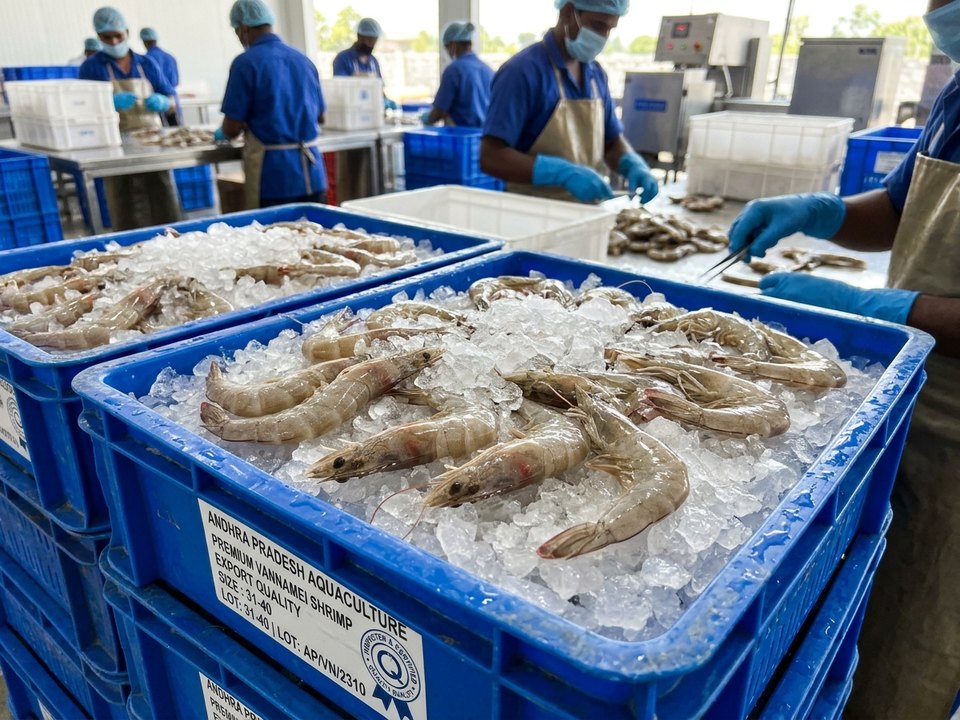
Understand key regulatory touchpoints for coastal shrimp farms—and why current official guidance must be checked before major decisions.
Compliance can feel like a separate administrative job when a farmer is already managing feed, water, staff and market prices. But registration, records, input control and traceability are part of operating a reliable aquaculture business.
The exact requirements depend on location, activity, species, scale, export orientation and current regulations. This article is a practical orientation—not legal advice or a complete list of every permit that may apply.
Check Coastal Aquaculture Authority registration
The Coastal Aquaculture Authority (CAA) states that persons carrying on coastal aquaculture must register their farm with the Authority. Its farm information describes registration as being granted for five years, with renewal available. Check the certificate, validity, approved activity and conditions, and plan renewal well before expiry.
CAA forms and rules cover different coastal aquaculture units and activities. Use the latest application, renewal instructions and document checklist from the official CAA website, and confirm the correct process with the District Fisheries Office or designated authority for the farm.
Review MPEDA enrolment for export-oriented production
MPEDA’s farm-enrolment information explains that enrolment supports traceability for export-oriented aquaculture farms. Review whether enrolment applies to your operation, maintain the required records and update documents when ownership, lease, address or other relevant details change.
Use permitted seed and inputs
Buy seed from the appropriate registered or approved source and retain batch documents. Before using feed additives, chemicals, disinfectants, probiotics or medicines, verify product identity, intended use, applicable approvals and current restrictions. CAA publishes guidance and standards covering antibiotic-free aquaculture inputs, prohibited substances, wastewater and residue-related matters.
Never assume a product is permitted simply because it is sold locally or recommended informally. Check the current official notification and seek qualified guidance if its status or use instructions are unclear.
Plan for water, waste and environmental safeguards
Coastal aquaculture rules and guidelines include requirements intended to protect coastal environments and regulate farm activities. Farm design, water intake and discharge, waste handling and other safeguards may depend on farm type, location and size. Check the current CAA guideline and other local or state requirements applicable to the site.
Do not rely on an old checklist or another farm’s approval as proof that your own farm meets every requirement. Keep approved plans, permissions, inspection correspondence and records of corrective actions where applicable.
Understand export-related testing and buyer requirements
Export supply chains can involve additional requirements set by competent authorities, processors, exporters and destination markets. MPEDA provides information about pre-harvest testing and residue screening. Confirm testing and documentation required for the intended market and buyer before harvest; one test or certificate may not cover every destination or shipment.
Make a compliance calendar
Record the CAA registration number, approved activity and renewal date; check whether MPEDA enrolment applies; maintain crop and input records; review current CAA notices on prohibited substances; check wastewater and environmental requirements; confirm buyer/exporter requirements and pre-harvest testing well before harvest; and keep certificates, applications, receipts and inspection correspondence together.
Field takeaway
Compliance is easier when planned before the crop starts. Keep certificates current, records organised and decisions linked to the latest official guidance.
Official sources to check
Use the official sites below as the starting point for current instructions. For a specific farm, confirm applicable requirements with the relevant authority or qualified compliance adviser.
- CAA – Main website and latest notices
- CAA – Guidelines
- CAA – Standards
- CAA – Farm registration information
- MPEDA Farmers – Enrolment of Farms
- MPEDA Farmers – Pre-Harvest Testing